
Car experts reveal the mistakes owners make when storing vehicle for winter
18 December 2025
With winter on the horizon, many car owners, particularly those with classic, sports, or luxury models, will look to store their vehicles to protect them from the elements.
Working with Craig Ranson, Managing Director of Bridge Classic Cars, Lancaster Insurance shares some of the most common mistakes car owners make when storing their vehicle for a prolonged period of time, and what to try instead.
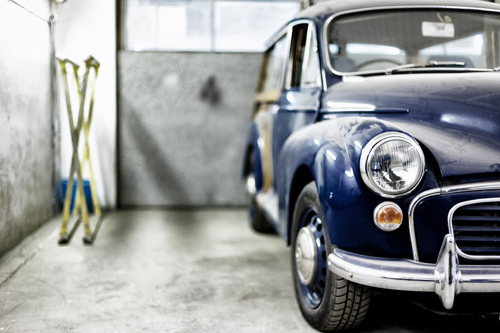
As Craig explains, “a few months of neglect can easily undo years of care and restoration, so proper storage really does make a difference.”
Not storing in a dry space
Where you store your car over the winter is incredibly important. As Craig explains of classic cars, “moisture gets into a lot of parts of the cars, causing metal to corrode and interiors to go musty. Leather can dry out and crack, fabrics can go mouldy, and electrics can start to play up. Even if the garage seems dry, condensation from a cold floor can rise and attack the underside.”
You should store a car over winter in a dry, cool, and secure location to protect it from the elements. If you are storing your car in a garage, ensure the space is well ventilated and consider using a dehumidifier. If storing outdoors is the only option, use a high-quality, waterproof car cover and park on a level surface away from trees.
Not rodent proofing your space
Mice and rats are often drawn to parked vehicles because they provide warmth, shelter, and safety from predators. The engine bay offers residual heat, hidden spaces make ideal nesting spots, and wiring gives them something to gnaw on. To further deter rodents, Craig suggests “sealing up small entry points and using deterrents. If possible, check on the car every few weeks. It doesn’t take long, and a quick look around can save a lot of hassle later.”
Putting your car away dirty
You should always clean your car before storing it for any significant period to prevent long-term damage from dirt, corrosion, and pests. A thorough cleaning, including waxing the exterior and vacuuming and wiping down the interior, is essential to protect the paint, avoid odours, and deter rodents. As Craig adds, “even a light layer of road grime or salt can do a lot of damage over winter. You should give the car a good wash and wax before storage – that layer of wax acts like armour against moisture and dirt.”
Not filling up the tank or topping up engine oil
Fuel will generally last around 6-9 months, so before storing your car, fill the tank completely and add a fuel stabilizer to prevent the fuel from degrading over time. Engine oil has a limited lifespan, so it’s also recommended to change it before long-term storage to provide better protection against rust and corrosion during inactivity. As Craig explains, “old fuel and oil can also cause headaches later on, so it’s always worth giving the car a proper clean and fluid check before it goes into storage.”
Not inflating the tyres
Long-term storage can affect tyres by causing them to dry out, crack, lose elasticity, and develop flat spots, ultimately compromising their safety. Inflating the tyres to a higher pressure can help them maintain their shape under the vehicle's weight during prolonged periods of storage. And as Craig says, “you can avoid flat spots by either putting the car on axle stands or using tyre cradles that spread the weight more evenly.
Whatever method you choose, the key thing is to stop the tyres from sitting under constant pressure in one spot.”
Not protecting the car against thieves
Steering locks and wheel clamps act as a highly visible deterrent and can prevent thieves from targeting your vehicle when stored. Another visible deterrent, wheel clamps can prevent your car from being driven away and may deter opportunistic thieves looking for a quick and easy target.
For many high-end, modern vehicles, keyless car theft is a growing problem. Thieves target these cars by using an amplifying device to pick up the signal emitted by the keyless fob, fooling the car into thinking it’s nearby and allowing entry. To prevent this, consider using a Faraday pouch.
For more information and tips, please read: Where to store your classic car.